
“`html
In the realm of natural health and wellness, few ingredients command as much attention as turmeric. Derived from the root of the *Curcuma longa* plant, this vibrant yellow spice has been a staple in Ayurvedic medicine for thousands of years, celebrated globally for its powerful anti-inflammatory and antioxidant properties. However, a modern and somewhat perplexing trend has emerged: using turmeric not just for internal health, but for achieving a brighter, whiter smile.
The paradox is undeniable: Turmeric is famous for its intense, staining yellow pigment. How can a substance that effortlessly dyes fabric and kitchen counters promise to lift stains from your teeth? This contradiction fuels skepticism and curiosity in equal measure. Is this just another fleeting social media trend, or does the science support the claim that this golden spice is a secret weapon against discoloration?
As experts in holistic wellness and evidence-based practices, we dive deep into the biochemistry of turmeric, examining its active compounds and evaluating the claims—separating proven oral health benefits from the ambitious goal of professional-level whitening. The answer, as we will discover, lies not in bleaching, but in a powerful, natural cleaning mechanism that can transform your oral hygiene routine.
Turmeric for Teeth: Can This Yellow Spice Actually Make Your Smile Whiter?
The Science Behind the Paradox: Why Would a Yellow Spice Whiten?
To understand turmeric’s role in oral care, we must look past the whole root and focus on its primary active component: curcumin. Curcumin is a polyphenol that gives turmeric its characteristic color and its potent medicinal properties. While the immediate contact with the spice may temporarily leave a yellowish residue on the teeth and gums, the long-term effects are attributed to how curcumin interacts with plaque and inflammation, rather than its pigment.
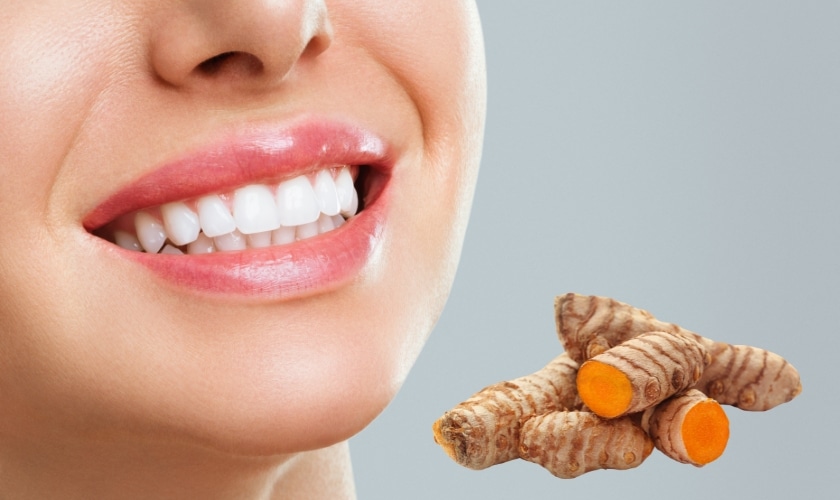
sumber: www.mychoicedentistry.com
Curcumin: The Active Powerhouse, Not the Stain
Curcumin is a highly bioactive compound known primarily for its ability to combat inflammation and oxidative stress. In the context of oral health, these properties are critical. Plaque buildup and gingivitis (gum inflammation) are the primary culprits behind a dull, unhealthy-looking smile. When gums are inflamed, they appear red and swollen, creating a visual contrast that makes teeth look less white. By reducing inflammation, curcumin can help restore the natural, healthy pink tone of the gums, thereby enhancing the overall appearance of the teeth.
Furthermore, curcumin has demonstrated significant antimicrobial activity. It can disrupt the formation of biofilms—the sticky, complex structures that plaque-forming bacteria create on the teeth. By inhibiting these bacteria, turmeric helps keep the surface of the enamel cleaner, reducing the environment where extrinsic stains (stains caused by coffee, tea, or wine) can easily adhere.
Addressing Surface Stains vs. Intrinsic Discoloration
It is crucial to establish a key distinction: Turmeric is not a bleaching agent. Professional whitening treatments, which typically use hydrogen peroxide or carbamide peroxide, work by penetrating the enamel and oxidizing the molecules responsible for deep, intrinsic discoloration within the dentin layer of the tooth. Turmeric cannot perform this chemical oxidation.
Instead, turmeric works on extrinsic stains. The perceived “whitening” effect comes from two primary actions:
- Mechanical Scrubbing: When applied as a paste (often mixed with a mild abrasive like baking soda or combined with coconut oil), the fine particles of turmeric act as a gentle abrasive that helps manually lift surface plaque and newly formed extrinsic stains.
- Anti-Plaque Action: By preventing plaque from firmly adhering to the enamel surface, turmeric allows the natural whiteness of the tooth to shine through. A tooth covered in plaque and bacterial biofilm will always appear duller and yellower than a clean tooth.
Therefore, turmeric does not change the inherent color of your teeth; it cleans the surface to reveal the color that is already there.
Turmeric for Whitening: Separating Myth from Mechanism
The internet is rife with anecdotal evidence and dramatic before-and-after photos regarding turmeric whitening. To approach this topic with the necessary authority and trustworthiness, we must analyze the mechanism of action carefully.
The Temporary Staining Concern
The biggest hurdle for new users is the immediate yellow residue. Because curcumin is highly lipophilic (fat-soluble), it binds easily to oils and fats, including those naturally present in the mouth. This is why many successful turmeric paste recipes include coconut oil—it helps the curcumin adhere to the surface where it can work. However, this adherence is temporary.
When you brush with turmeric, the yellow pigment temporarily sticks to the teeth, gums, and tongue. The key to mitigating this is thorough rinsing and following up with a standard toothbrushing session using your regular toothpaste. The mechanical action of the second brush and the surfactants in the toothpaste lift the fat-soluble curcumin, removing the temporary yellow tint and leaving behind the clean, plaque-free surface.
The Abrasivity Index: A Note on Safety
While turmeric powder itself is relatively fine, its abrasive index must be considered, particularly when mixed with other ingredients like baking soda (which is more abrasive). The Relative Dentin Abrasivity (RDA) scale measures how harsh a substance is on the teeth. If a DIY paste is too abrasive and used too frequently, it can potentially damage enamel over time, leading to sensitivity and, paradoxically, greater discoloration as the underlying dentin is exposed.
When using turmeric, the focus should be on a gentle application. The power of the paste lies in the curcumin’s anti-inflammatory properties, not in aggressive scrubbing. If you seek professional-level whitening, chemical treatments remain the most effective and predictable route. Turmeric is best utilized as a supplemental, natural oral hygiene booster.
Beyond Brightness: The Proven Oral Health Benefits of Turmeric
While the whitening effect of turmeric is primarily a secondary result of superior cleaning, its primary benefits for oral health are scientifically robust and well-documented. This is where turmeric truly establishes itself as a valuable addition to your routine.
Fighting Gingivitis and Plaque Formation
Gingivitis is an early stage of gum disease characterized by inflammation, redness, and bleeding. If left untreated, it can progress to periodontitis, which leads to bone loss and tooth instability. Studies have compared the effectiveness of curcumin-based mouthwashes to traditional chlorhexidine mouthwashes (a common prescription antiseptic) and found promising results.
Research indicates that curcumin significantly reduces plaque index and severity of gingivitis due to its ability to disrupt bacterial biofilms and soothe irritated tissues. Using turmeric as a regular mouth rinse can dramatically decrease the bacteria load in the mouth, promoting healthier gums that bleed less and fit snugly around the tooth, contributing to a foundation of long-term oral wellness.
Natural Pain Relief and Soothing Sensitive Gums
The potent anti-inflammatory action of curcumin makes it an excellent natural remedy for minor mouth sores, canker sores, and generalized gum tenderness. When applied topically, turmeric can act as a natural analgesic, helping to reduce pain associated with inflammation. This is particularly beneficial for individuals who suffer from chronic gum sensitivity or irritation caused by dental appliances.
Supporting Overall Mucosal Health
The lining of the mouth (the oral mucosa) is constantly exposed to pathogens and irritants. Turmeric’s antioxidant properties help protect these tissues from damage caused by free radicals and oxidative stress. By maintaining a healthy, resilient mucosal lining, turmeric contributes to a balanced oral microbiome, which is essential for fresh breath and preventing recurrent infections.
How to Use Turmeric Safely for Oral Care (Recipes and Protocols)
If you wish to incorporate turmeric into your oral hygiene routine, adherence to a safe, balanced protocol is essential. Remember, frequency and gentle technique are more important than aggressive application.
The Turmeric Paste Protocol (The DIY Method)
This is the most popular method for targeting surface stains and plaque.
Ingredients:
- 1/4 teaspoon organic turmeric powder (ensure it is pure, high-quality spice).
- 1/4 teaspoon melted organic coconut oil (the oil helps the curcumin adhere and provides additional antimicrobial benefits).
- Optional: A pinch of fine sea salt or baking soda (for added gentle abrasion and mineral content).
Application:
- Mix the ingredients into a smooth paste.
- Dip a clean, soft-bristled toothbrush into the mixture.
- Gently brush your teeth for 2 to 3 minutes, focusing on the surfaces and along the gum line. Avoid vigorous scrubbing.
- Let the paste sit on your teeth for an additional 5 minutes (optional, but enhances contact time).
- Rinse thoroughly with water until the majority of the yellow residue is gone.
- Brush a second time using your regular fluoride or non-fluoride toothpaste. This step is critical for removing the temporary yellow stain.
Frequency: Use this paste no more than 2-3 times per week. Daily use of abrasive mixtures is not recommended and could lead to enamel wear.
Turmeric Mouthwash Rinse
For individuals focused purely on anti-inflammatory and antiseptic benefits, a rinse is ideal.
Ingredients:
- 1 cup warm water.
- 1/2 teaspoon turmeric powder.
- 1/4 teaspoon salt (optional, for osmotic benefits).
Application: Mix well and gargle for 60 seconds after brushing. This is particularly effective for soothing irritated gums or after minor dental procedures (check with your dentist first).
Application Tips and Best Practices
To prevent staining your bathroom or tools, dedicate a specific toothbrush for turmeric use, as the bristles will be permanently stained. Be mindful of splashing, as turmeric stains porous surfaces like grout and clothing quickly.
Always follow up with your regular oral hygiene routine—turmeric is a supplement, not a replacement, for fluoride toothpaste and flossing.
Expert Caution and Considerations: The Dental Perspective
While natural remedies are appealing, a responsible, authoritative article must always include professional cautionary advice. Turmeric is generally safe, but there are specific scenarios where caution is advised.
Interaction with Existing Dental Work
If you have composite bonding, porcelain veneers, crowns, or extensive white fillings, exercise extreme caution when using turmeric. These materials are more porous than natural enamel and can absorb pigments more readily. Turmeric may cause subtle or noticeable discoloration of restorative materials, which cannot be reversed with simple brushing.
Recommendation: If you have significant cosmetic dental work, consult your dentist before beginning a routine involving turmeric paste.
The Risk of Enamel Erosion (If Too Abrasive)
The biggest risk associated with DIY natural whitening methods is over-abrasion. People often mistake aggressive scrubbing for effectiveness. If the turmeric paste is mixed with highly abrasive substances (like coarse salt) or if the user brushes too hard, micro-scratches can form in the enamel. These scratches not only harbor bacteria but also lead to irreversible enamel loss, which makes the teeth appear yellower over time.
Recommendation: Always use a soft-bristled brush and apply minimal pressure. If you experience any sensitivity after using a turmeric paste, discontinue use immediately.
The Limitation of Natural Whitening
It is important to manage expectations. Turmeric will not give you the blinding, chemically bleached results achieved by professional in-office treatments. Its power lies in maintaining oral hygiene, reducing inflammation, and removing new, superficial stains.
If your discoloration is genetic or due to aging (intrinsic dentin yellowing), only peroxide-based treatments will be effective. Turmeric is best viewed as a preventative measure to keep the enamel surface pristine and the gums healthy.
Conclusion: Turmeric—A Health Booster, Not a Bleaching Agent
The question, “Can this yellow spice actually make your smile whiter?” must be answered with a nuanced understanding of its mechanism. Turmeric, specifically its active compound curcumin, does not chemically bleach teeth.
However, turmeric is an incredibly powerful, natural tool for achieving a brighter, healthier smile. By leveraging its potent anti-inflammatory and antimicrobial properties, turmeric:
- Reduces plaque and gingivitis, which are major contributors to a dull appearance.
- Aids in the mechanical removal of extrinsic surface stains and biofilm.
- Soothes irritated gums, creating a healthier, pinker backdrop for your teeth.
In essence, turmeric works by restoring the health of your mouth, thereby allowing the natural brilliance of your teeth to shine through. When used gently and correctly, turmeric is a valuable, evidence-backed supplement to a comprehensive oral care routine, offering far more than just the promise of superficial whiteness—it offers genuine, foundational oral health.
“`
sumber : Youtube.com