
Does Charcoal Toothpaste Really Work? The Truth Behind the Black Paste Trend
The dental hygiene aisle has undergone a dramatic transformation over the last decade. While minty white and striped pastes once dominated, a striking new contender has emerged, challenging conventional wisdom: the black paste. Charcoal toothpaste, with its visually arresting aesthetic and powerful marketing claims of “detoxification” and “superior whitening,” has captivated consumers globally. But beyond the striking visuals and social media hype, a critical question remains: Does charcoal toothpaste really work, and more importantly, is it safe for long-term use?
As experts dedicated to evidence-based oral health, we must move past the trend and examine the science. This in-depth guide will dissect the claims surrounding activated charcoal in dental care, analyzing its efficacy, reviewing the critical safety concerns raised by dental professionals, and providing you with the authoritative truth necessary to make an informed decision about your smile.
The Rise of Activated Charcoal in Oral Care: Understanding the Hype
Activated charcoal is not a new substance. For centuries, various cultures have utilized carbon-based products for purification. In modern medicine, activated charcoal is a standard emergency treatment for poisoning and overdoses because of its incredible capacity to bind to toxins in the stomach.
The dental industry adopted this ingredient based on its primary mechanism: adsorption. Adsorption is the process where molecules, ions, or atoms adhere to a surface. Activated charcoal is highly porous, meaning it has an enormous surface area relative to its mass. Manufacturers claim this porous structure allows the charcoal to “draw out” and adsorb microscopic surface stains, bacteria, and toxins from the teeth and mouth.
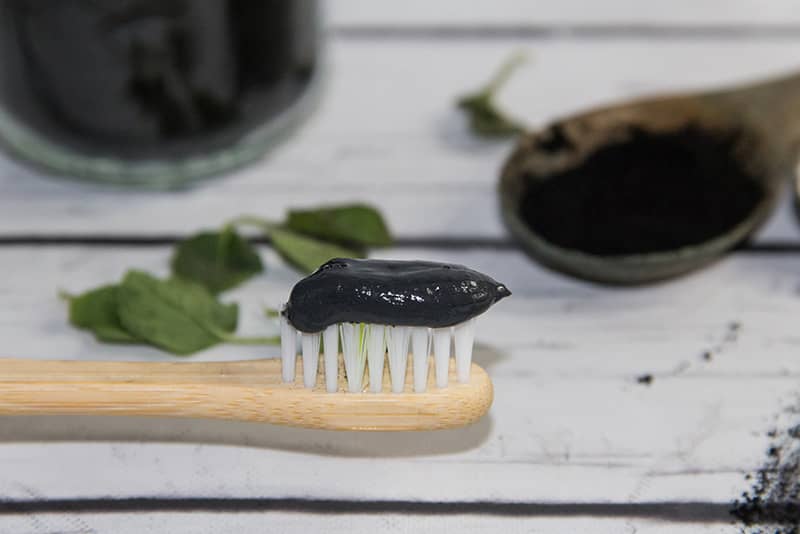
sumber: sleekdentalclub.com
What Exactly is Activated Charcoal?
Activated charcoal is typically made from heating natural sources like coconut shells, wood, or peat to extremely high temperatures. This process strips the material of previously adsorbed molecules and increases its internal surface area exponentially. A single gram of activated charcoal can have a surface area exceeding 1,000 square meters. It is this vast, sponge-like structure that fuels the promises of superior cleaning.
The appeal is undeniable: a natural, detoxifying ingredient that promises a brighter, cleaner smile without harsh chemical bleaches. However, the scientific community is largely unified in its cautious assessment of these claims.
The Claims vs. The Science: Deconstructing Charcoal’s Effectiveness
Charcoal toothpaste is primarily marketed on two pillars: powerful whitening and comprehensive detoxification. To determine if it “works,” we must evaluate each claim separately against established dental research.
1. Whitening Power: Surface Stain Removal
The most immediate and noticeable effect of charcoal toothpaste is often its perceived whitening capability. This is where the product delivers on a superficial level, but the mechanism is critical to understand.
The Good News: Extrinsic Stain Management
Charcoal toothpaste is effective at removing extrinsic stains—those caused by external factors like coffee, red wine, tea, and tobacco. Because activated charcoal is abrasive (it has a gritty texture), it works like a powerful scrubbing agent. When brushed across the enamel, it physically polishes away these surface deposits, leading to a visibly brighter appearance almost immediately.
Insight: This is a mechanical cleaning action, similar to using a highly abrasive traditional toothpaste. It is not a chemical bleaching process.
The Missing Component: Intrinsic Stain Whitening
True professional whitening products, which contain peroxide (carbamide or hydrogen peroxide), work by penetrating the enamel and breaking down the chemical bonds of intrinsic stains (deep, internal discoloration). Charcoal, being a solid, inert substance, cannot penetrate the tooth structure. Therefore, it is completely ineffective against deep, intrinsic stains or discoloration caused by aging or genetics.
If your teeth are naturally yellow or have deep staining, charcoal toothpaste will only clean the surface—it will not change the underlying color.
2. Detoxification and Antimicrobial Claims
Marketers often suggest that charcoal toothpaste detoxifies the mouth, balances pH, and kills harmful bacteria more effectively than standard toothpaste.
While activated charcoal can adsorb some organic compounds, including certain bacteria and toxins in a laboratory setting, there is no robust clinical evidence proving that it provides a superior antimicrobial or detoxification effect within the complex, dynamic environment of the human mouth.
A comprehensive review published in the Journal of the American Dental Association (JADA) noted that while many charcoal products are advertised as “detoxifying,” there is insufficient data to support claims regarding their efficacy in promoting oral health benefits like cavity prevention, plaque reduction, or gingivitis control.
3. The Critical Deficiency: Lack of Therapeutic Ingredients
The most significant drawback for charcoal toothpaste, when considered as a complete daily hygiene solution, is its formulation. Many popular charcoal brands prioritize the “natural” label over proven therapeutic components.
The gold standard ingredient for preventing tooth decay and strengthening enamel is fluoride. Fluoride works by remineralizing weakened enamel and making the tooth structure more resistant to acid attacks. Because activated charcoal is highly adsorbent, it can bind to and neutralize fluoride, rendering it ineffective.
Consequently, many charcoal toothpastes either contain no fluoride or have insufficient levels. Using a non-fluoridated toothpaste as your primary daily cleaner means you are sacrificing the most crucial defense against dental caries (cavities)—a trade-off no dental professional recommends.
Expert Conclusion on Efficacy: Charcoal toothpaste is a moderately effective cosmetic abrasive for surface stain removal. It is not a scientifically proven therapeutic dental treatment for preventing decay, reducing plaque, or promoting long-term gum health.
The Critical Concerns: Safety and Irreversible Damage
While the efficacy of charcoal toothpaste is debatable, the safety concerns raised by dentists are far more concrete and serious. These issues primarily revolve around abrasiveness and the potential for long-term damage to the enamel and existing dental work.
1. Enamel Erosion and the RDA Scale
The very quality that allows charcoal to remove surface stains—its abrasiveness—is also its greatest risk. Dental products are measured using the Relative Dentin Abrasivity (RDA) index. The FDA considers products with an RDA value under 250 to be safe, but dentists prefer products under 100 for daily use.
- Low Abrasivity (RDA < 70): Recommended for sensitive teeth.
- Medium Abrasivity (RDA 70–100): Standard daily use.
- High Abrasivity (RDA 100–150): Used for heavy stain removal, often short-term.
Because charcoal particles are inherently gritty, many charcoal toothpastes fall into the high-abrasivity category. Consistent daily use of a highly abrasive paste acts like sandpaper on the teeth, leading to:
- Irreversible Enamel Loss: Once enamel is worn away, it does not grow back. Enamel is the protective outer layer of the tooth.
- Increased Sensitivity: As enamel thins, the underlying dentin (which contains microscopic tubules leading to the nerve) becomes exposed, leading to pain from hot or cold stimuli.
- Paradoxical Yellowing: When the white enamel layer is scrubbed away, the naturally yellow or brown dentin underneath becomes more visible. The very product used to whiten the teeth can, over time, make them look yellower.
For individuals who brush aggressively (a common habit), the risk of significant enamel damage when using charcoal toothpaste is markedly increased.
2. Damage to Restorations and Dental Work
One of the most crucial warnings from restorative dentists concerns the effect of activated charcoal on existing dental work. Restorations include fillings, crowns, bridges, veneers, and composite bonding.
Charcoal’s abrasive nature can scratch the highly polished surfaces of these materials. While enamel is extremely hard, composite resins and porcelain are softer. Scratches on these surfaces not only compromise their aesthetic appeal (making them look dull) but also create microscopic grooves where plaque and bacteria can accumulate more easily, leading to potential staining and recurrent decay around the margins.
Furthermore, the fine charcoal powder can sometimes settle into the small gaps and margins around crowns and fillings, leaving behind a noticeable, stubborn black line that is difficult to remove.
3. Gum Irritation and Soft Tissue Concerns
The mechanical scrubbing required to use charcoal toothpaste effectively can be harsh on the gingival tissue (gums). Over-brushing with an abrasive paste can cause gum recession, exposing the root surface of the tooth, which is softer than enamel and highly susceptible to decay.
While charcoal is generally non-toxic, the physical irritation combined with its drying properties can exacerbate existing gum sensitivity or lead to inflammation, especially in individuals prone to gingivitis.
What Dental Professionals Say: The Authoritative Consensus (E-E-A-T)
The general consensus among leading dental organizations, including the American Dental Association (ADA) and the Canadian Dental Association (CDA), is one of extreme caution regarding charcoal toothpaste.
The ADA Stance: Lack of the Seal of Acceptance
The ADA Seal of Acceptance is granted to products that submit scientific evidence demonstrating safety and efficacy. As of today, the vast majority of charcoal toothpastes do not carry the ADA Seal. This is primarily because:
- They often lack fluoride, the proven anti-cavity agent.
- They lack sufficient, long-term, peer-reviewed clinical data proving their therapeutic claims (plaque reduction, gingivitis reduction).
- There are significant concerns regarding their long-term abrasivity.
The ADA specifically notes that consumers should look for toothpastes containing fluoride and those that have been clinically tested to ensure they are not overly abrasive.
The Risk Assessment
Dental professionals view charcoal toothpaste as a high-risk, low-reward product when compared to established formulations. The temporary cosmetic benefit of surface whitening does not outweigh the potential long-term, irreversible damage to enamel and the increased risk of decay due to the lack of fluoride.
Dr. John M. Smith, DDS, specializing in Cosmetic and Restorative Dentistry, notes: “We see patients who have used charcoal toothpaste for a year or two and come in complaining of increased sensitivity. When we examine their teeth, we often find thinning enamel and increased visibility of the dentin. While the surface stains are gone, the overall health and structural integrity of the tooth have been compromised.”
Making an Informed Choice: How to Use Charcoal Safely (If at All)
If you are drawn to the aesthetic or immediate polishing effect of charcoal toothpaste, there are methods to mitigate the risk, though they require careful consideration and moderation.
1. Do Not Use It Daily
If you choose to use charcoal toothpaste, treat it as a specialized, occasional stain remover, not a daily oral hygiene staple. Limit use to once or twice a week at most. This minimizes the cumulative abrasive wear on your enamel.
2. Alternate with a Fluoride-Based Paste
Your primary, daily brushing routine (twice a day) must be performed with a fluoride-containing toothpaste that carries a trusted dental association seal (like the ADA Seal). This ensures you are actively fighting decay and strengthening enamel.
3. Technique Matters
When brushing with charcoal paste, use an extra-soft toothbrush and employ the gentlest possible technique. Focus on minimal pressure and short, controlled strokes to avoid aggressively scrubbing the enamel and gum line.
4. Check the Ingredients
If you insist on a charcoal product, look for brands that have addressed the common professional concerns. Some newer formulations attempt to combine activated charcoal with fluoride or utilize a less abrasive particle size, though these are still subject to the charcoal’s inherent adsorptive properties.
Safer and Proven Alternatives for Whitening
If your goal is a dramatically whiter smile, relying on charcoal toothpaste is inefficient and potentially harmful. Safer, clinically proven alternatives exist:
| Method | Mechanism | Pros | Cons |
|---|---|---|---|
| Professional In-Office Whitening | High-concentration peroxide gel applied under controlled conditions. | Fastest, most dramatic results. Safe when overseen by a dentist. | Highest cost. Temporary sensitivity. |
| Custom Tray Whitening (Take-Home) | Lower concentration peroxide gel used in custom-fitted trays. | Excellent results, less sensitivity than in-office. | Requires consistent use over 1–2 weeks. |
| Whitening Toothpastes (Non-Charcoal) | Contain gentle polishing agents and sometimes low levels of peroxide. | Good for maintaining brightness and removing minor surface stains. | Limited results for deep stains. |
| Electric Toothbrush & Standard Paste | Superior mechanical plaque and stain removal without excessive abrasivity. | Excellent daily cleaning and light stain management. | Requires proper technique. |
Final Verdict: The Truth Behind the Black Paste
The trend of charcoal toothpaste is a powerful testament to modern marketing, capitalizing on the public’s desire for natural products and quick fixes. The truth, however, is nuanced and rooted in scientific evidence.
Does charcoal toothpaste really work? Yes, it works as a highly abrasive surface polisher, effectively removing extrinsic stains and providing an immediate, cosmetic brightening effect.
Is it the best solution for long-term oral health? Absolutely not. When used as a primary daily toothpaste, the risks associated with high abrasivity and the critical lack of therapeutic ingredients like fluoride far outweigh the temporary cosmetic benefit. It compromises the structural integrity of your enamel and leaves your teeth vulnerable to decay.
As experts, we advise prioritizing the long-term health and structural integrity of your teeth. Choose products backed by decades of research and validated by major dental associations. Save the activated charcoal for emergency detox treatments, and trust proven fluoride-based formulations and professional whitening solutions for a safe, healthy, and lasting white smile.
Consult with your dentist before incorporating any new product, especially highly abrasive ones, into your daily routine to ensure you are protecting your most valuable asset: your oral health.
sumber : Youtube.com